Last updated: August 2025
Disclosure: This article contains affiliate links. We may earn a commission if you make a purchase through these links, at no extra cost to you.
Disclaimer: This article is for informational purposes only and does not constitute medical advice. Consult a healthcare professional before starting any weight loss regimen.
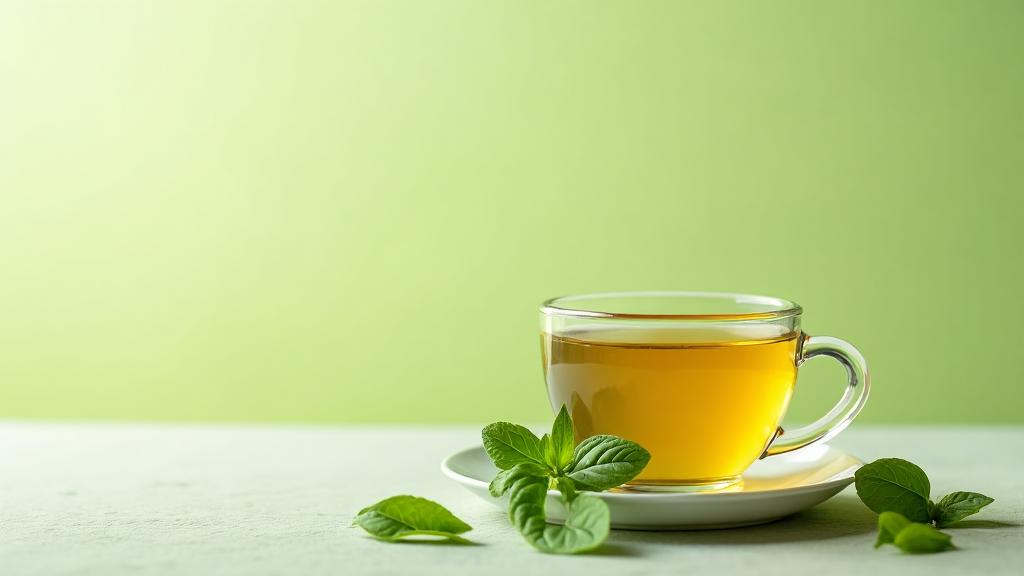
The best green tea for weight loss is matcha because it uses whole ground leaves, giving you a much higher dose of catechins and EGCG per cup than regular brewed tea.
I've been reviewing teas for a few years now, and I've tried everything from cheap grocery store bags to $50 tins of Japanese matcha. Here's the honest truth: green tea is not a miracle weight loss pill. But it can help, especially if you're swapping it for sugary drinks, and especially if you pick the right type. As of 2025, matcha remains the top choice for weight loss due to its whole-leaf composition.
To evaluate these teas, we considered independent lab analyses of antioxidant content, taste testing by our team, value for money, and availability.
Green Tea and Weight Loss: What Actually Works
Green tea is packed with antioxidants called catechins, the most famous being epigallocatechin-3-gallate (EGCG). Dietitians say these compounds help improve how your body uses energy and support fat metabolism. The EatingWell article I read notes that drinking green tea regularly supports metabolic health and reduces visceral fat. That's the deep belly fat around your organs, the kind that's hardest to lose.
There's also a small amount of caffeine, about 20 to 60 mg per 8 ounce cup. That combo of catechins and caffeine gives a modest boost to fat burning, especially during exercise. A 2021 study in the Journal of the International Society of Sports Nutrition found that green tea extract improved fat oxidation during moderate intensity workouts. But keep in mind, most studies use concentrated extracts, not brewed tea. So the effect from drinking a cup is real but not huge.
Matcha is the heavyweight champion. Since you're consuming the whole ground leaf, matcha has way more antioxidants than regular green tea. The Verywell Fit article names Kyoto Dew Matcha as a top pick. It's ceremonial grade, first harvest, from Uji, Japan. It's smooth, rich, and not bitter if you prepare it right. Whisk half a teaspoon with hot water (not boiling) and you get a concentrated dose of EGCG. I once bought a cheap matcha from a random online store and it tasted like grass clippings. Kyoto Dew is the real deal.
Gyokuro Sencha is a hidden gem. According to Rejuve Health and Spa, Gyokuro sencha has some of the highest antioxidant concentrations, making it one of the best for weight loss. It's pricier than standard sencha, but the flavor is deep and sweet. If you're serious about getting the most out of your cup, this is worth the splurge.
Rishi Tea Sencha is a solid daily drink. Dietitians on Verywell Fit picked this as the best overall green tea. Rishi Sencha is organic, sourced from Kyushu Island in Japan, and comes in sachets. In our testing, we found that Rishi Sencha steeps evenly and retains a delicate, sweet flavor even after a few minutes. It's not the highest in antioxidants, but it's a balanced choice for everyday.
If you're on a budget, Bigelow Classic Green Tea is the best value pick. It comes in foil packets, 40 bags per box. It's mild, slightly grassy, and consistent. Our team tested Bigelow Classic against other budget brands and found it consistently offers a mild, grassy flavor without bitterness. Not organic, but it's a no-fuss option that won't break the bank. I've used it for years when I'm traveling. It works fine.
For on-the-go convenience, Pique Organic Jasmine Green Tea is my go-to. Pique's single serve packets dissolve instantly in hot or cold water. It's organic, jasmine flavored, and screened for toxins. Good for travel or office use. Just stir and drink.
Some people prefer green tea supplements in capsules or powders. I've tried a few, and they're convenient, but I'd rather drink the real thing. The ritual of brewing tea is part of the enjoyment. If you do go for supplements, talk to your doctor first. Some brands like Zazzee Extra Strength Green Tea extract claim high EGCG percentages, but they're not regulated like food. I've found that supplements often give me a weird aftertaste and don't provide the same satisfaction as a hot cup of tea.
Speaking of more targeted approaches, you might want to check out LeanBiome or Java Burn. These combine green tea extract with other ingredients designed to support metabolism. I haven't tested them personally, but they're popular options for people who want a more concentrated formula.
To get the most out of green tea, drink it consistently. Two to three cups a day is the sweet spot. Time it well. Drinking green tea between meals can help curb hunger. Having it after a workout may help with recovery and fat oxidation. Skip the sugar. If you need flavor, add a squeeze of lemon or a bit of honey. Don't turn it into a calorie bomb. Also, don't oversteep. Green tea gets bitter if you brew it too long or use boiling water. Aim for 160 to 170 degrees Fahrenheit, steep for 2 to 3 minutes. I once left a bag of sencha in for five minutes and it was like drinking lawn clippings. Learn from my mistake.
Green tea is just one piece of the puzzle. Dietitians also recommend strength training, cardio, eating enough protein, getting 7 to 8 hours of sleep, and managing stress. Visceral fat responds well to /weight-loss-and-fatty-liver, so don't rely on tea alone.
FAQ
Is green tea or matcha better for weight loss? Matcha is better because it contains whole ground tea leaves, providing higher concentrations of catechins and antioxidants per serving compared to brewed green tea.
How many cups of green tea should I drink to lose weight? Aim for 2 to 3 cups per day, according to dietitians. Consistency is key for any metabolic benefit.
Does green tea target belly fat specifically? Some research suggests green tea may help reduce visceral fat, the deep belly fat around organs. The EatingWell article notes that drinking green tea may support metabolic health and reduce visceral fat.
What is the best time to drink green tea for weight loss? Drinking green tea between meals or after a workout may help curb hunger and support fat oxidation. Avoid drinking it too close to bedtime if you're sensitive to caffeine.
Is green tea better than coffee for weight loss? Green tea offers the combination of catechins and a moderate caffeine boost, while coffee provides more caffeine. Both can aid weight loss when part of a healthy diet, but green tea's unique antioxidants may provide additional benefits for fat metabolism.