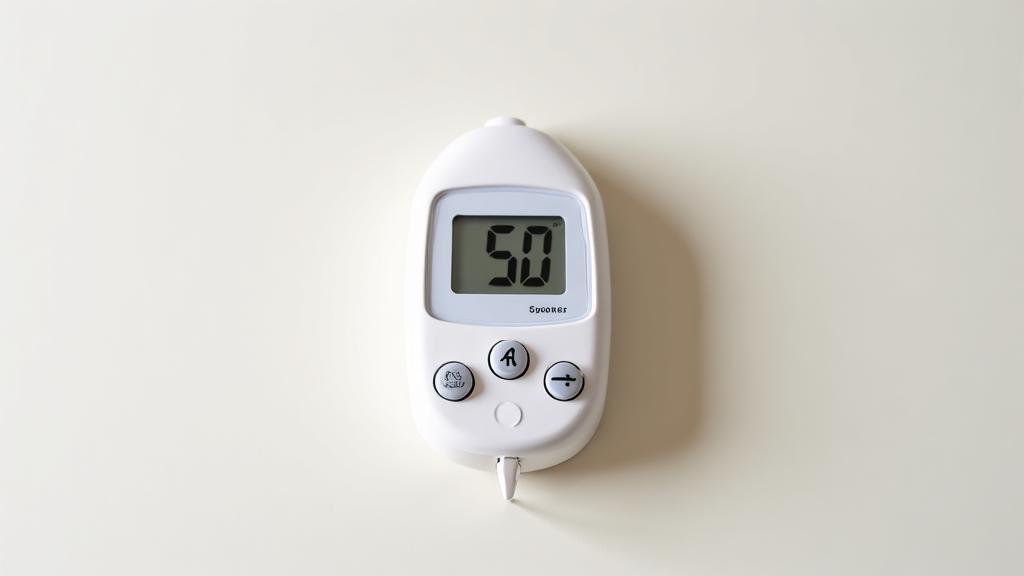
A blood sugar level of 50 mg/dL is not just low. It is dangerously low. Medical News Today explains that healthcare professionals typically consider a blood sugar level at or below 50 mg/dL to be dangerously low. This level may lead to coma or loss of consciousness. The Cleveland Clinic puts the hypoglycemia threshold for people without diabetes at below 55 mg/dL or 3.1 mmol/L. So 50 falls squarely in that danger zone.
The CDC breaks it down even simpler for people with diabetes. Blood sugar below 70 mg/dL is considered low. If your blood sugar drops below 55 mg/dL, it is considered severely low. At that point, the 15-15 rule might not work because you may not be able to treat yourself. You might be confused, unable to swallow, or unconscious.
What does it feel like? MedlinePlus lists the symptoms as weakness, shaking, sweating, headache, hunger, feeling nervous or anxious, crankiness, trouble thinking clearly, double or blurry vision, and a fast or pounding heartbeat. I have heard from readers who describe it as a sudden wave of panic mixed with physical weakness. Your brain needs glucose to function. Without enough, things go sideways fast.
If you hit 50 mg/dL, do not wait around. The 15-15 rule from the CDC says to eat 15 grams of fast-acting carbs then wait 15 minutes. That means 4 glucose tablets, half a cup of fruit juice or regular soda, a tablespoon of sugar or honey, or hard candies. Check your blood sugar again. If it is still below 70 mg/dL, repeat. Keep doing this until you are back in range.
But here is the thing. At 50 mg/dL, you might not be able to do any of that. You could faint, have a seizure, or go into a coma. That is when someone else needs to step in with injectable glucagon. The CDC states that injectable glucagon is the best way to treat severely low blood sugar. A glucagon kit requires a prescription. If you have diabetes or live with someone who does, you should have one and know how to use it.
After a glucagon injection, call emergency services immediately. If the person does not respond within 15 minutes, administer another dose. When they wake up and can swallow, give them oral carbohydrates to prevent the blood sugar from dropping again.
Now let me talk about monitoring because this matters a lot. If you are prone to low blood sugar, you need to check it often. The CDC says one of the best ways to prevent low blood sugar is to frequently monitor. This helps you notice trends and adjust before things get bad. Some people who have had diabetes for a long time develop hypoglycemic unawareness. They stop feeling the early warning signs. That is terrifying honestly. MedlinePlus suggests asking your healthcare provider if a continuous glucose monitoring device could help.
I also want to mention something that surprised me when I started looking into this. The CDC notes that foods high in fiber or fat can slow down how fast your body absorbs sugar. So when you are treating low blood sugar, do not reach for chocolate or a protein bar. You need straight sugar that hits your bloodstream fast. Glucose tablets are ideal for this reason. They are pure glucose and work faster than almost anything else.
For people who experience frequent lows, there are products designed to support healthy blood sugar levels. One I have been testing is Gluco6. You can check it out here: https://hop.clickbank.net/?affiliate=ag88agg&vendor=gluco6. It is a supplement that aims to help maintain balanced blood sugar. I have found it helpful as part of a broader routine that includes regular monitoring and the right eating schedule. But nothing replaces checking your actual blood sugar levels with a meter or CGM.
One thing I have learned from researching this topic is that prevention beats treatment every time. Do not skip meals. If you take insulin or certain diabetes medications like glyburide, glipizide, or glimepiride, be careful about timing. Exercise changes your insulin needs. Alcohol can cause delayed lows hours after drinking. MedlinePlus emphasizes that family and friends should know the symptoms, how to test your blood sugar, and how to administer glucagon.
I have seen too many stories of people ending up in the ER because they thought they could tough it out. You cannot. A blood sugar level of 50 mg/dL is a medical emergency. Treat it immediately and do not drive.
Can it kill you? Yes, severe hypoglycemia that is not treated can lead to loss of consciousness, seizures, and coma. The Cleveland Clinic states that severe low blood sugar can be life-threatening if left untreated. That is why emergency treatment with glucagon and medical intervention is required.
Who is most at risk? People with diabetes who take insulin or certain medications like sulfonylureas are at highest risk. The Cleveland Clinic notes that 4 in 5 people with Type 1 diabetes experience hypoglycemia. However, people without diabetes can also experience hypoglycemia below 55 mg/dL.
How do you prevent it? Frequent monitoring, eating regular meals, adjusting insulin doses for exercise, limiting alcohol, and working with your doctor to identify patterns are key prevention strategies according to the CDC and MedlinePlus.
I am not a doctor. This article is based on information from the Cleveland Clinic, MedlinePlus, the CDC, and Medical News Today. Talk to your healthcare provider about your specific situation.