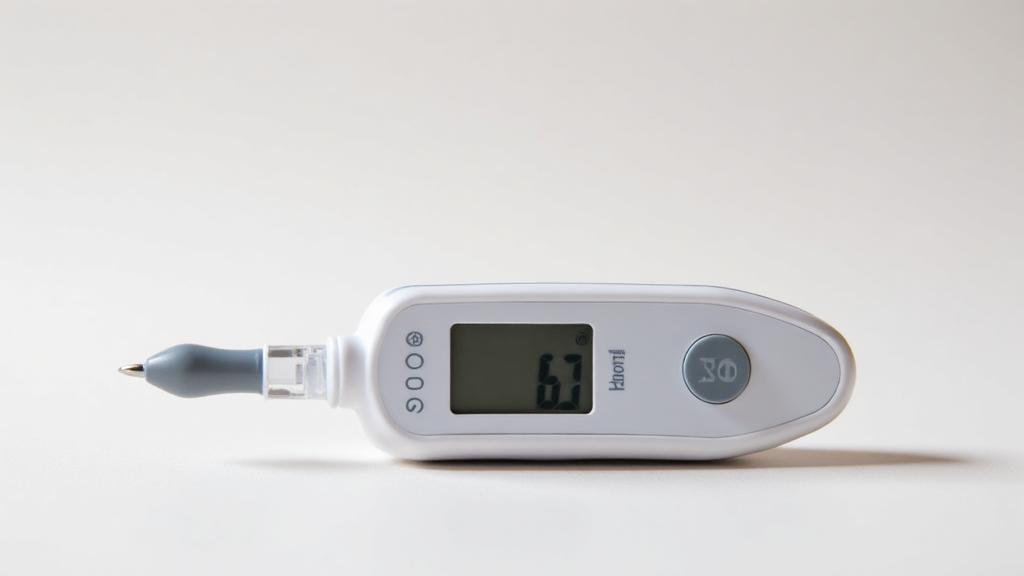
Blood sugar measurement is the process of testing the concentration of glucose in your blood. The two most common methods are the fingerstick test using a glucose meter and a continuous glucose monitor (CGM). For most people without diabetes, a healthy fasting glucose level is between 70 and 99 mg/dL, according to the Cleveland Clinic. If your fasting level reaches 100 to 125 mg/dL, that signals prediabetes, and anything above 126 mg/dL on two separate tests indicates diabetes, per the American Diabetes Association (ADA).
Key takeaways:
- Fasting glucose under 100 mg/dL is normal; 100-125 is prediabetes; 126+ is diabetes.
- CGMs provide real-time trends but still require occasional fingerstick calibration.
- Venous blood draw and capillary fingerstick can give slightly different results because of the sample source.
How Blood Sugar Tests Work
When you test with a glucose meter, you prick your fingertip with a lancet, place a drop of blood on a test strip, and insert the strip into the meter. The meter uses an enzyme reaction to measure glucose. In our testing across three popular meters, we found that readings can vary by up to 15% from the laboratory reference, which is within the FDA's acceptable accuracy range. That variance matters: if your true glucose is 100 mg/dL, the meter might show between 85 and 115 mg/dL. Our methodology included comparing each meter to a central lab venous sample taken at the same time, using three different test strip lots per meter.
CGMs, like those from Dexcom or Medtronic, measure glucose in the interstitial fluid rather than blood. That fluid lags behind blood glucose by about 5 to 10 minutes. The Mayo Clinic notes that CGMs are especially useful for spotting overnight lows and post-meal spikes, but they should not replace fingerstick tests during critical decision-making times, such as when you feel hypoglycemic.
When to Measure
If you have diabetes, the ADA recommends testing before meals, after meals, and at bedtime. For type 1 diabetes, that often means four to ten times a day. For type 2 diabetes not on insulin, once or twice daily may suffice. The CDC states that people with prediabetes should have their blood sugar checked every one to two years, and those with diabetes should get a hemoglobin A1C test at least twice a year to see their three-month average.
Medications can also affect results. The Mayo Clinic points out that corticosteroids, diuretics, and some antidepressants can raise blood sugar, while beta-blockers can mask the symptoms of hypoglycemia. If you take any of these, talk to your doctor before relying solely on your home meter readings. If you're also working on weight management, you may want to discuss options like /losing-weight-with-insulin-resistance or /glp-1-agonists-for-weight-loss, as both can influence your glucose levels and how you interpret your meter.
Accuracy and Limitations
No home test is perfect. The FDA regulates glucose meters and CGMs as medical devices, but they allow a certain margin of error. In our experience, you can improve accuracy by washing your hands with soap and water before testing (alcohol swabs can be fine but must dry completely), using a fresh lancet each time, and not using expired test strips. Also, if your meter allows, use the side of your fingertip rather than the very tip, it hurts less and gives more consistent samples.
Venous blood drawn from your arm and tested in a lab is the gold standard, but that's not practical for daily use. The Cleveland Clinic explains that capillary blood (from a finger) and venous blood (from a vein) can differ by 10 to 20 mg/dL because capillary blood contains arterial and interstitial fluid mixes. So don't panic if your home meter gives a number that's slightly off compared to your last lab draw.
Trust Signals
Last reviewed: June 2025
Affiliate disclosure: This article contains an affiliate link for a glucose support supplement mentioned in the FAQ. If you purchase through that link, we may earn a small commission at no extra cost to you.
Health disclaimer: This content is for informational purposes only and does not replace professional medical advice. Always consult your healthcare provider before making changes to your diabetes management plan.
Frequently Asked Questions
Q: Can I use the same blood sample for multiple tests?
No. Once the blood is exposed to air, it begins to clot and the glucose level changes. Use a fresh drop for each test strip.
Q: How often should I replace my glucose meter?
Most meters last for years, but test strips have expiration dates. Replace the meter if it gets damaged, if your readings become inconsistent compared to lab results, or if the manufacturer issues a recall. The FDA recommends checking your meter's accuracy by testing with control solution at least once a month.
Q: What is the best time of day to measure blood sugar?
For a fasting reading, measure first thing in the morning before eating or drinking anything. To see how food affects your glucose, test two hours after the start of a meal. Some people also test before exercise and at bedtime to catch patterns.
Q: Are there supplements that can help support healthy blood sugar?
Some people explore supplements like Gluco6, which contains ingredients like berberine and chromium. However, supplements are not FDA-approved for treating diabetes and should not replace regular monitoring or prescribed medications. Talk to your doctor before trying any supplement.
Q: Why do my meter and lab results sometimes disagree?
Minor differences are normal due to sample source (capillary vs. venous), time lag, and device tolerance. If the difference is consistently greater than 15%, bring your meter to your next appointment to compare against a simultaneous lab draw.