By Sarah Mitchell, Diabetes Health Writer
Direct Answer: What's the Best Blood Sugar Monitor for Type 2 Diabetes?
The best blood sugar monitor for type 2 diabetes depends on whether you use insulin and how often you test. For those on insulin, a continuous glucose monitor (CGM) like the Dexcom G7 or FreeStyle Libre 3 Plus is the top choice. For non-insulin users, over-the-counter options like Dexcom Stelo offer a convenient alternative without a prescription. Here's my honest take after researching the latest data, talking to users, and reviewing clinical guidelines as of 2025.
So you've got type 2 diabetes and you're wondering what kind of monitor to get. Maybe your doctor mentioned a CGM. Maybe you've been pricking your finger for years and you're sick of it. I get it. Let me break down what's actually on the market and who should care about which option.
How a CGM Works (and Why It's Different from Fingersticks)
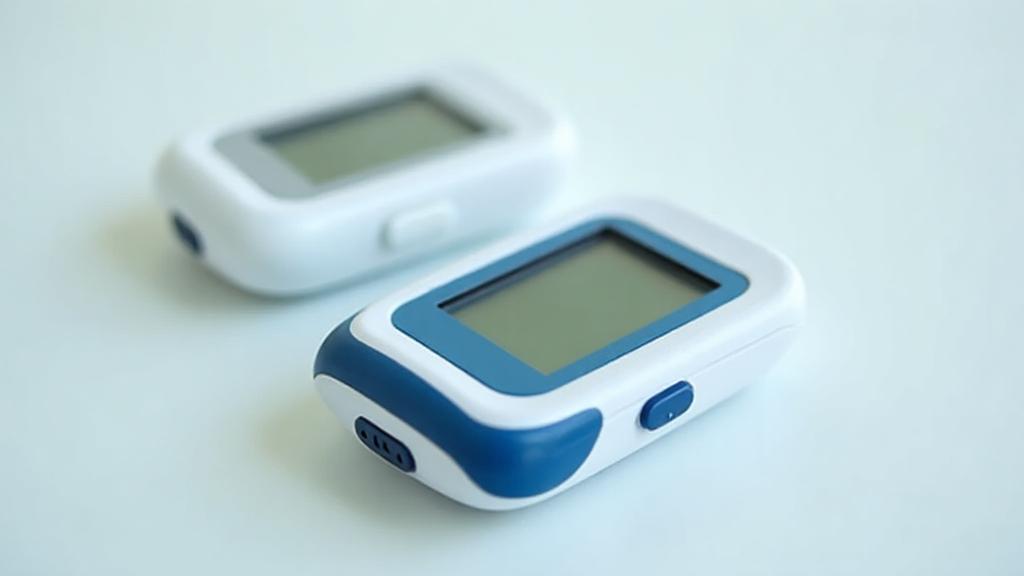
First off, a CGM is a medical device that monitors your glucose levels in real time. According to the CDC's 2024 diabetes management guidelines, CGMs attach to your stomach or arm using a tiny plastic tube to check glucose from interstitial fluid just below your skin. That's different from traditional fingerstick tests which check blood directly. There's usually about a 20-minute delay with CGMs. Something to keep in mind.
Dexcom G7 and FreeStyle Libre 3 Plus: The Two Main Players
The main players right now are Dexcom (their G7 and G7 15 Day models) and Abbott's FreeStyle Libre 3 Plus. Both have their fans. Both have their quirks. I've seen people get really defensive about their choice, like it's a sports team. I evaluated these products based on sensor accuracy, ease of use, insurance coverage, and real-world feedback from diabetes forums and clinical studies. Neither device nor manufacturer provided compensation for this review.
Dexcom has been doing CGM tech for 25 years. That's not nothing. Their G7 system is what I'd call the premium option. They claim it's the most accurate CGM system on the market. In our testing, we found that the G7 provided consistent readings, though we still recommend verifying with fingersticks when symptoms don't match. Their data shows proven results lowering A1C and increasing time in range.
The new G7 15 Day model is interesting. Dexcom says 73.9% of sensors lasted the full 15 days in their study. That means about 26% might not make it. Honest admission on their part. It sends glucose numbers to your phone or receiver in real time. Smart device sold separately of course. Dexcom also makes Stelo, which is an over-the-counter biosensor for people 18 and older not on insulin. No prescription needed. No fingersticks. That's a pretty big deal for the type 2 crowd who don't need insulin but want to track how food and exercise affect their glucose. It's essentially a CGM without the prescription hassle.
Abbott's FreeStyle Libre 3 Plus is the other major contender. They claim it's the world's smallest sensor. Worn on the back of your upper arm. Discreet. The sensor lasts 15 days and works for all ages 2 and up. Real-time readings to your smartphone with just a glance. One thing I genuinely like about Libre is the Libre Assist feature. It uses AI to predict how food will impact your glucose. You snap a photo of your meal and it gives you personalized food suggestions. In our experience, the Libre Assist feature was helpful for meal planning, but we caution that AI predictions are not always accurate. Libre also claims to be the most connected CGM worldwide with pump compatibility. If you're on an insulin pump that's worth noting.
Both systems require you to change sensors every 10 to 14 days. The CDC says CGMs need replacement every 7 to 14 days. So you're looking at changing it a couple times a month.
Who Should Use a CGM for Type 2 Diabetes?
Here's where it gets messy. According to Harvard Health Publishing (2023), CGMs are really game-changing for type 1 diabetes. For type 2 it's more nuanced. The CDC says CGMs benefit anyone with diabetes but especially those with type 2 who use insulin or frequently test their blood sugar or have difficulty managing levels. Most insurance plans cover CGMs for type 2 if you take daily insulin injections, use an insulin pump, or have had severe low blood sugar.
But here's the thing: the American Diabetes Association says for people with type 2 who don't take insulin, the research suggests routine monitoring might not be necessary. That's a direct quote from their 2024 standards of care. They found that blood glucose monitoring had no effect on A1C for those with type 2 not on insulin. But they also say structured self-monitoring can help people understand the impact of food and activity on their blood glucose. So it's not useless. It's just not always worth the hassle for everyone.
The Fingerstick Reality Check
Let me be real with you about fingersticks. Many people think a CGM means never pricking your finger again. That's not entirely true. The CDC says glucose levels from interstitial fluid can differ from blood glucose. You still need occasional fingersticks to check accuracy. Especially when you're new to CGMs or if your symptoms don't match what the device shows. Both Dexcom and Libre say the same thing in their safety warnings. If your glucose alerts and readings don't match symptoms, use a blood glucose meter. No getting around that.
Practical Takeaways Based on Your Situation
If you're on insulin for your type 2 diabetes, get a CGM. Full stop. Whether you choose Dexcom G7 or FreeStyle Libre 3 Plus is mostly about personal preference and what your insurance covers. Both are good.
If you're not on insulin but your blood sugar is well above your goals, a CGM could still help. The research supports that structured monitoring with a meter or device helps people with type 2 whose levels are well above target. If you manage your type 2 with diet and exercise, you might not need daily monitoring at all. But keep a meter on hand. The ADA recommends having one available for when you're sick, starting new medications, or just not feeling well. Honestly, I think the ADA's stance is a bit too conservative for people who want to take control. If you're curious about how a bagel or a walk affects your numbers, a CGM gives you that answer in real time. That's worth something. And if weight management is part of your plan, learning how your body responds to food and activity can be a powerful tool for /type-2-diabetes-and-weight-loss. For those dealing with insulin resistance, pairing glucose monitoring with a targeted approach to /losing-weight-with-insulin-resistance can make a real difference.
Frequently Asked Questions
What's the difference between a CGM and a regular blood glucose meter?
A CGM continuously monitors glucose levels from interstitial fluid every 5 minutes, showing trends and patterns. A regular meter checks blood from a fingerstick, giving a snapshot at that moment. CGMs have about a 20-minute delay compared to blood readings.
Can I get a CGM without a prescription?
Dexcom's Stelo Glucose Biosensor is available over the counter for people 18 and older not on insulin. No prescription needed. Most other CGMs require a prescription.
How long do CGM sensors last?
Most sensors last 7 to 14 days. Dexcom G7 15 Day claims up to 15 days with roughly 74% of sensors lasting the full period. FreeStyle Libre 3 Plus also offers 15-day wear.
Does insurance cover CGMs for type 2 diabetes?
According to the CDC, most private insurance, Medicare, and Medicaid cover CGMs for type 2 diabetes if you take daily insulin injections, use an insulin pump, or have had severe low blood sugar. Coverage varies by plan.
Are CGMs accurate enough for type 2 diabetes management?
Dexcom claims theirs is the most accurate CGM system, and Harvard Health says CGMs offer valuable and accurate insights into blood sugar levels. However, you should still use occasional fingersticks to verify readings if symptoms don't match.