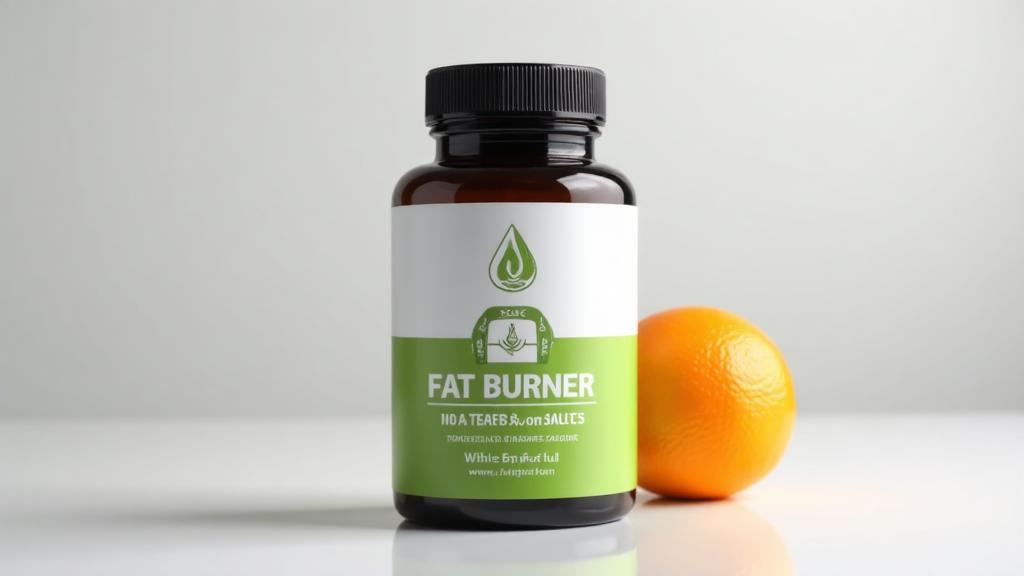
Fat Burner
Quick Answer
Fat burners are dietary supplements that claim to help with weight loss by increasing metabolism, reducing fat absorption, or suppressing appetite. They are not regulated by the FDA, and their effectiveness varies. The most reliable approach to weight loss remains a combination of regular exercise, a nutrient-rich diet, adequate sleep, and stress management. ## Main Explanation
Fat burners, sometimes called thermogenics, are designed to complement a diet and exercise program by supporting metabolism and energy levels. They can work by increasing your resting metabolic rate, reducing the amount of fat your body absorbs, or making you feel less hungry. Common ingredients include: - Caffeine: A stimulant that may boost calorie burn.
- Green tea extract: Often included for its potential to increase fat oxidation.
- Protein supplements: Can increase satiety and preserve muscle during weight loss.
- Soluble fiber supplements: May help you feel fuller for longer.
- Yohimbine: An herbal compound that some research suggests might aid fat loss.
These supplements are not magic pills. Source notes that a 2011 study found fat burners are often ineffective and may even be harmful. Additionally, the FDA does not regulate these products, so manufacturers can make claims without solid evidence. ## Your Decision Framework for Choosing a Fat Burner
Follow these steps in order to evaluate whether a fat burner is right for you.
Step 1: Check Your Foundation
Before spending money, ensure you have a consistent exercise routine and a healthy, nutrient-rich diet. Fat burners are meant to complement these habits, not replace them. ### Step 2: Identify Your Goal
Are you trying to boost metabolism, reduce appetite, or get more energy for workouts? Different ingredients serve different purposes. For example, caffeine supports energy and metabolism, while fiber helps with appetite. ### Step 3: Read the Ingredient Label
Look for the ingredients listed above (caffeine, green tea extract, protein, fiber, yohimbine). Many supplements have not been tested in scientific studies. ### Step 4: Assess Safety and Regulation
Since fat burners are not FDA-regulated, research the manufacturer. Be cautious of products making extravagant claims.
Step 5: Start Low and Monitor
If you decide to try a fat burner, start with the lowest recommended dose to see how your body reacts. Pay attention to side effects like jitters, insomnia, or digestive issues.
Step 6: Set a Time Limit
Use the product for a defined period (e.g., 8–12 weeks) and then take a break. This helps you assess whether it is actually helping without long-term dependency.
Practical Takeaways
- Fat burners are supplements, not solutions. They work best when added to an already healthy lifestyle. - The most evidence-backed natural ingredients include caffeine, green tea extract, protein, fiber, and yohimbine. - Many fat burners lack scientific support and are not regulated for safety. Always research the specific product and its ingredients.
- No supplement can replace consistent sleep, reduced stress, regular exercise, and a healthy diet for weight loss. ## References
- GNC. "Fat Burners & Thermogenic Supplements." https://www.gnc.com/weight-management/calorie-burners
- WebMD. "Fat Burner Supplements: What Are They, Do They Work, and More." https://www.webmd.com/vitamins-and-supplements/what-are-fat-burner-supplements
- Healthline. "5 Natural Fat Burners That Work." https://www.healthline.com/nutrition/5-natural-fat-burners
- Vitamin Shoppe. "Thermogenics & Fat Burner Supplements." https://www.vitaminshoppe.com/c/healthy-weight/metabolism-support/fat-burners-thermogenics
- Cleveland Clinic. "Do Fat Burners Melt Away Pounds? An Expert Weighs In." https://health.clevelandclinic.org/do-fat-burners-work