Quick Answer
Research on garcinia cambogia for weight loss shows modest, inconsistent results. Some studies suggest it may help people lose about 2 pounds more than placebo, while other reviews find no significant benefit beyond diet and exercise. It is sold as a dietary supplement, often standardized to hydroxycitric acid (HCA), with common doses around 1500–1600 mg total (providing 960 mg HCA) per day.
Main Explanation
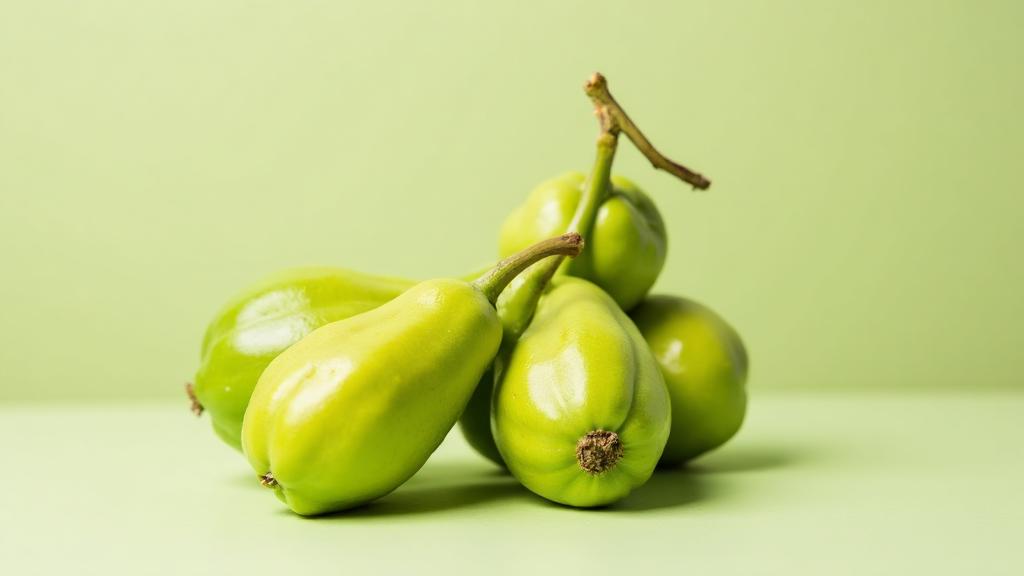
Garcinia cambogia is a tropical fruit whose rind contains hydroxycitric acid (HCA), thought to block fat storage and suppress appetite. However, findings from controlled trials are mixed:
- A systematic review and meta-analysis found that garcinia cambogia supplementation significantly decreased weight, body mass index (BMI), and waist circumference compared to placebo.
- A separate review in the Journal of Obesity reported an average loss of about 2 pounds more than placebo, but researchers noted participants also ate fewer calories and exercised, so the effect may not be due solely to the supplement.
- Other sources, including health agencies, conclude current research does not prove it helps people lose weight.
Possible side effects include nausea, headaches, and rare cases of liver toxicity. The FDA does not regulate supplements like drugs, so quality and content vary.
Decision Framework: How to Evaluate Garcinia Cambogia for Weight Loss
Use this three-step framework to decide whether to try or buy garcinia cambogia:
Step 1 – Check the evidence for your goal
- If you expect large, guaranteed weight loss: the evidence does not support that. Most studies show a small average difference of ~2 pounds.
- If you want a possible modest aid alongside diet and exercise: some data support a small benefit, but it is not a substitute for lifestyle changes.
Step 2 – Review product labeling
- Look for HCA (hydroxycitric acid) content. A typical product says "1600 mg natural extract & 960 mg HCA" per serving. Dosage recommendations often suggest 500 mg HCA three times daily before meals.
- Avoid products with undisclosed ingredients or exaggerated claims (e.g., "fat burner" or "metabolism booster" without evidence).
- Check for third-party testing seals if available.
Step 3 – Consider safety
- Consult a doctor before use, especially if you have liver issues, are pregnant, or take other medications.
- Stop immediately if you experience nausea, fatigue, or jaundice-like symptoms.
- Note that rare but serious liver damage has been reported.
Practical Takeaways
- Set realistic expectations: Garcinia cambogia may contribute to a very small weight loss (about 2 lb) in some people, but it is not a miracle solution.
- Combine with proven methods: Diet, exercise, and sleep remain the foundation of weight management.
- Choose wisely: If you decide to try it, select a product with a clear HCA amount (e.g., 960 mg HCA per serving) and no unsubstantiated claims.
- Monitor side effects: Stop use if any adverse reaction occurs.
For a supplement that is not regulated and has uncertain efficacy, the safest path is to focus on lifestyle changes and only consider garcinia cambogia as a potential, minor aid, after discussing with a healthcare provider.