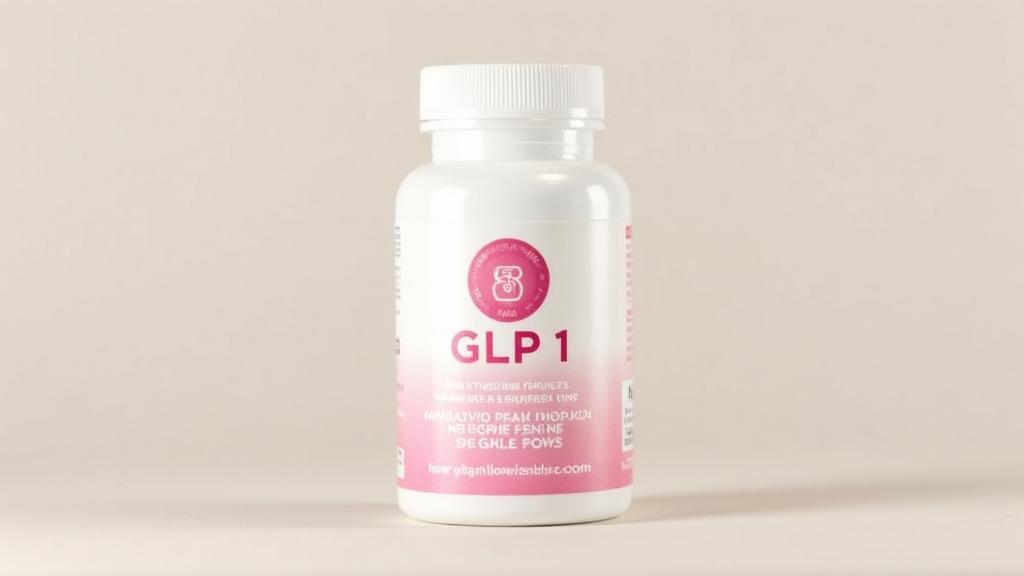
GLP-1 agonists work for weight loss by mimicking a natural gut hormone that slows digestion, regulates appetite, and improves insulin function. That leads to reduced food intake and significant weight loss. We're talking 10% to 15% of body weight over a year for a lot of people.
I've read a ton of conflicting stuff online, so let me break it down the way I finally understood it. GLP-1 (glucagon-like peptide-1) is a hormone your small intestine releases when you eat. Its job is to keep your blood sugar steady. But here's the trick: GLP-1 receptor agonist medications are synthetic copies of that hormone. They lock onto the same receptors and crank up the volume on four key actions.
First, slower digestion. The drug tells your stomach to take its time emptying into the intestines. Food sits longer so you feel full way longer after a meal. That also means fewer blood sugar spikes.
Second, appetite regulation. This is the big one for weight loss. GLP-1s act on your brain's appetite centers, specifically the hypothalamus. They quiet down what some doctors call "food chatter." You simply don't think about eating as much. Cravings drop. I've heard patients say they forget to eat entirely, which sounds wild but happens.
Third, better insulin release. GLP-1s tell your pancreas to squirt out more insulin, but only when your blood sugar is high. That's important because it means very low risk of hypoglycemia (dangerously low blood sugar), unlike some older diabetes drugs.
Fourth, less glucagon. Glucagon is the hormone that raises blood sugar. GLP-1s turn that down, so your liver doesn't dump extra sugar into your blood.
Tirzepatide (the stuff in Mounjaro and Zepbound) actually hits two receptors. GLP-1 and GIP. That second hormone pathway might be why those drugs tend to show a bit more weight loss in studies.
Who Can Get Prescribed These?
This is where things get specific. The FDA approves GLP-1s for weight loss if your BMI is 30 or higher (obesity). If your BMI is 27 or higher AND you have a weight-related condition like high blood pressure, high cholesterol, or type 2 diabetes, you also qualify.
For diabetes alone, drugs like Ozempic and Mounjaro are approved. For weight loss specifically, look for Wegovy (semaglutide) and Zepbound (tirzepatide). Same active ingredients, different brand names and dosing. If you're exploring other options, check out our overview of prescription weight loss medication.
The Side Effects Everyone Talks About
Let's be real: the gastrointestinal stuff is no joke for a lot of people. Nausea, vomiting, constipation, diarrhea. These are most common when you start or increase dose. They usually get better as your body adapts.
But there's a hidden one: muscle loss. Studies show over 30% of the weight lost can be muscle. That's roughly the same as with any rapid weight loss, but scientists worry muscle isn't always regained if you stop the drug and gain weight back.
Other risks to keep on your radar: pancreatitis (rare), gallbladder disease, and for people with a family history of certain thyroid cancers, these drugs are off-limits.
Practical Takeaways from Real Use
If you're thinking of trying GLP-1s, here's what I wish someone had told me upfront.
Combine it with lifestyle changes. Every single source I read stressed that these drugs work best with a calorie-controlled diet and physical activity. The clinical trials that showed 15% weight loss included nutrition education and exercise recommendations.
Expect weight regain if you stop. Most studies show that when people stop the medication, they regain much of the weight. It's not a "fix it and forget it" thing. Some doctors say it's like a chronic condition, you might need long-term treatment.
Cost is a real barrier. Out-of-pocket costs ranging from $800 to $1200 monthly, though some manufacturer programs can bring it down. I'm not going to quote exact numbers, but you can see it adds up fast.
Work with a real doctor, not an online popup. Many direct-to-consumer online prescribers don't have your full medical history. That can lead to unsafe prescribing. Go through your primary care doc or a weight management clinic.
FAQ
Q: Do GLP-1s work for weight loss without diabetes?
Yes. Drugs like Wegovy (semaglutide) and Zepbound (tirzepatide) are FDA-approved specifically for weight loss in people with obesity or overweight with related conditions.
Q: How much weight can I expect to lose on GLP-1s?
Studies show average weight loss of 10% to 15% of body weight over about a year. Some tirzepatide trials saw up to 20% at the highest doses.
Q: How long does it take to see results?
Most people start noticing appetite suppression within the first few weeks. Visible weight loss typically appears after a month or two. Doses are increased gradually to manage side effects.
Q: What happens if I stop taking GLP-1 medication?
Most people regain weight after stopping. Working with a provider to safely transition off and continuing healthy eating and exercise can help, but it's not guaranteed.
Q: Are GLP-1s safe for long-term use?
Current evidence suggests they are generally safe when monitored. However, long-term risks beyond 10–15 years are still unknown. Rare risks include pancreatitis and gallbladder issues. Talk to your doctor.