What is the Mediterranean Diet?
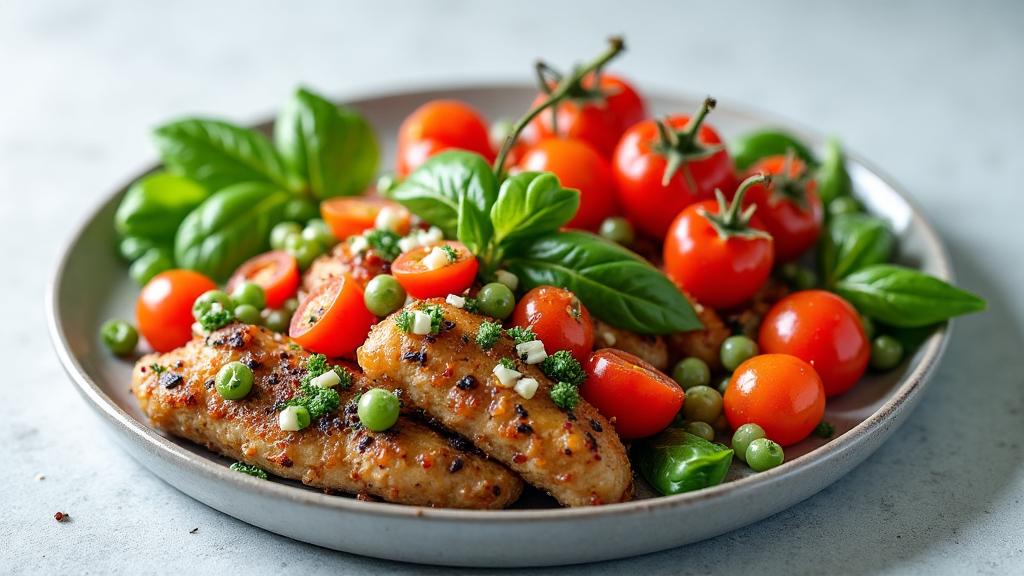
The Mediterranean Diet is a way of eating that emphasizes plant-based foods and healthy fats. Think lots of leafy greens, tomatoes, beans, nuts, seeds, and fish. Red meat shows up maybe once a week, and sweets are a treat, not a daily habit. It's not a strict plan, more of a template you can adapt. And honestly, I think you are better off just sticking with the real food instead of chasing pre-packaged diet meals.
How the Mediterranean Diet Helps You Lose Weight
First, it's high in fiber. Fiber fills you up and slows digestion, so you naturally eat less. Second, the healthy fats from olive oil and nuts actually help regulate appetite hormones. A study from the MedWeight project found that people who followed the Mediterranean diet had a 2-fold increased likelihood of maintaining weight loss compared to other diets. That's huge. Third, it reduces inflammation, which is linked to insulin resistance and stubborn belly fat. If you're someone who struggles with blood sugar swings, this diet might be a game changer. For more on that connection, check out our guide on losing weight with insulin resistance.
Step-by-step Guide to Getting Started
- Swap your cooking oil. Ditch butter and vegetable oils for extra virgin olive oil. Use it on salads, veggies, and even in baking.
- Eat fish twice a week. Salmon, sardines, mackerel, they're packed with omega-3s that fight inflammation. Aim for two to three servings per week.
- Load up on veggies at every meal. Fill half your plate with non-starchy vegetables like spinach, broccoli, peppers, and zucchini.
- Choose whole grains over refined. Think quinoa, brown rice, oats, and whole wheat pasta instead of white bread and white rice.
- Include legumes regularly. Lentils, chickpeas, and beans are cheap, filling, and full of protein. Toss them into soups, salads, or stews.
- Limit red meat to once a week. When you do eat it, make it a small portion. Most of your protein should come from fish, poultry, legumes, and nuts.
- Enjoy dairy in moderation. Greek yogurt and cheese are fine, but stick to plain yogurt and small amounts of cheese.
- Drink water and maybe a little wine. Water is your main drink. If you drink alcohol, red wine with meals is traditional, but limit to one glass per day for women and two for men.
- Snack on nuts and fruit. Instead of chips or cookies, grab a handful of almonds or an apple.
- Be active. The diet works best when paired with regular physical activity. Even a daily walk makes a difference.
If you're looking for a more structured approach, a calorie controlled diet for weight loss can also work, but the Mediterranean way is often easier to stick with long term.
Common Mistakes and Troubleshooting
A big mistake is thinking you can eat unlimited pasta and bread just because it's Italian. No, that's not the Mediterranean diet. The traditional version from places like Crete and Southern Italy is mostly vegetables, with grains as a side dish. Another mistake is drenching everything in olive oil. Yes, it's healthy, but it's still calorie dense. Use it wisely.
What if you feel hungry? Add more vegetables or a handful of nuts. What if you miss cheese? A small amount of feta or Parmesan on your salad is fine. What if you're eating out? Choose grilled fish or a salad with olive oil dressing, and skip the bread basket.
FAQ
Can I lose weight on the Mediterranean diet without exercising?
Yes, but you'll lose weight faster and keep it off longer if you combine it with physical activity. Even a 20-minute walk helps.
How much weight can I expect to lose?
Results vary, but many people lose 1-2 pounds per week in the first month. The MedWeight study showed that long-term adherence leads to sustained weight loss.
Is the Mediterranean diet safe for people with fatty liver?
Absolutely. It reduces inflammation and improves insulin sensitivity, which are key for managing fatty liver. For more details, see our article on weight loss and fatty liver.
Do I need to count calories?
Not necessarily. The diet naturally reduces calorie intake because of its high fiber and water content. But if you're not losing weight, you might want to track for a few days to see where you're overdoing it.
Can I follow this diet if I'm vegetarian?
Yes, easily. Just replace fish with more legumes, tofu, and eggs. The Mediterranean diet is very plant-friendly.
What about supplements?
Some people add a greens powder or a probiotic like LeanBiome to support gut health. I've also seen Java Burn marketed as a metabolism booster, but I think you are better off just sticking with the real food. Focus on the whole diet first.
Bottom Line
The Mediterranean diet for weight loss isn't a quick fix, but it's a sustainable way to eat better, feel full, and drop pounds. It's backed by research, easy to follow, and flexible enough for real life. If you want a broader overview of losing weight, check out our main guide on how to lose weight. Start today by swapping one meal for a Mediterranean-style plate. Your body will thank you.