A metabolism test measures how many calories your body burns each day, providing personalized data to set precise calorie goals for weight loss and maintenance. This article compares the main approaches, based on published medical literature and healthcare provider descriptions.
Quick Answer
A metabolism test typically measures your resting metabolic rate (RMR), the calories burned at rest, and sometimes your maximum oxygen use (VO2 max) or lactate threshold. Results help you target the right calorie intake for weight loss, rather than relying on generic charts.
Main Explanation
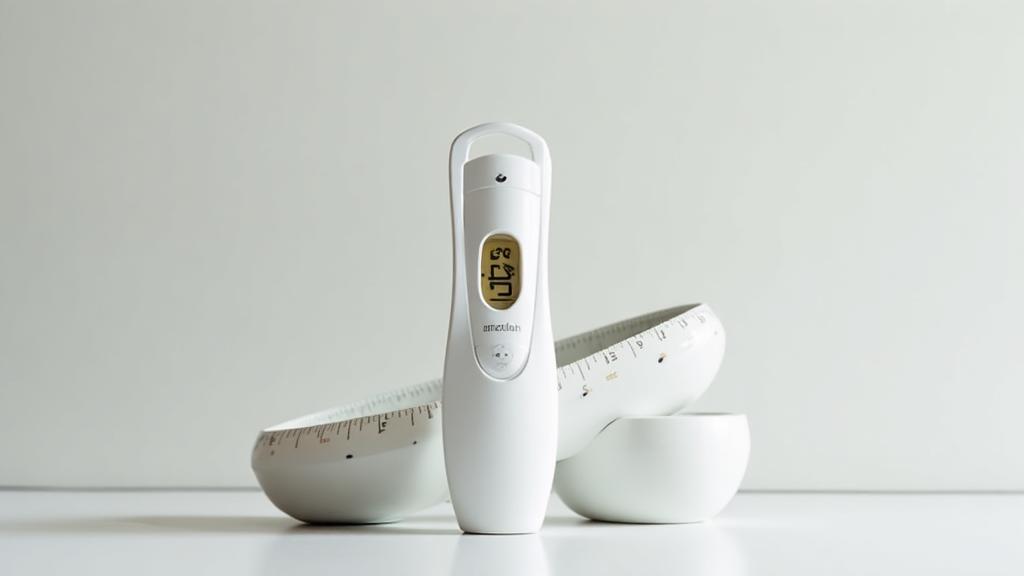
Metabolic testing often uses indirect calorimetry: you breathe into a tube for 10–15 minutes while a device measures oxygen consumption to determine RMR. Some tests also include exercise testing for VO2 max or lactate threshold. A 2025 research review found that measuring metabolic rate can guide calorie goals for weight loss and maintenance, and that assessing the respiratory quotient (the mix of fat and carbs your body burns) can help tailor macronutrient composition to maximize fat loss.
What You Get from a Metabolism Test
- Resting Metabolic Rate (RMR) – the minimum calories your body needs at complete rest - Total Daily Energy Expenditure (TDEE) – an estimate of total calories burned in a day, including activity - Target calorie zones – specific ranges for losing, maintaining, or gaining weight ### How to Prepare
Sources recommend:
- Fast for at least 5 hours (ideally 12) before the test - Avoid vigorous exercise for 12 hours beforehand - Avoid caffeine and stimulants like decongestants ### Where Testing Is Available
Metabolic testing is offered at some hospitals, weight loss clinics, and fitness centers. One hospital-based program lists $60 for members and $80 for nonmembers. Lab-based blood tests for hormone and nutrient markers related to metabolism are also available from services like Labcorp OnDemand (priced roughly $39–$493 depending on panel selection).
Decision Framework: Should You Get a Metabolism Test for Weight Loss?
Use this ordered checklist to decide and prepare.
- Assess your need. If you have tried generic calorie targets and weight loss has stalled, a test can reveal whether your RMR is lower or higher than average, helping you set a personalized calorie budget.
- Choose the test type. For weight loss, a resting metabolic rate (indirect calorimetry) test is most direct. Tests that also measure VO2 max or lactate threshold are more relevant for fitness performance.
- Find a provider. Search for "metabolic testing" at local hospitals (e.g., Mercy Health, Riverside, Ohio State Wexner Medical Center) or weight loss clinics. Verify the test uses indirect calorimetry if you want RMR data.
- Follow preparation steps. Fast, skip caffeine, and avoid strenuous exercise as instructed above.
- Bring results to your provider or coach. Use your personalized RMR and target calorie zones to design a meal plan. One source notes that knowing your maximum daily calorie intake helps develop an effective weight loss program, and that following a structured eating schedule can raise your RMR over time.
- A metabolism test provides objective data on your calorie burn, useful for tailoring a weight loss plan.
- The test is non-invasive, takes 10–15 minutes, and requires modest preparation.
- Interpret results with a qualified professional (dietitian, doctor, or certified coach) to create a sustainable eating and activity plan.
- There is no single "best" brand of metabolism test universally supported by the sources we reviewed; costs vary widely by location and setting.