Last updated: June 2025 | Affiliate Disclosure: This article contains links to recommended products. If you make a purchase through them, I may earn a commission at no extra cost to you.
Health/Nutrition Disclaimer: This information is for educational purposes only and is not a substitute for professional medical advice. Always consult your healthcare provider before starting any weight loss program.
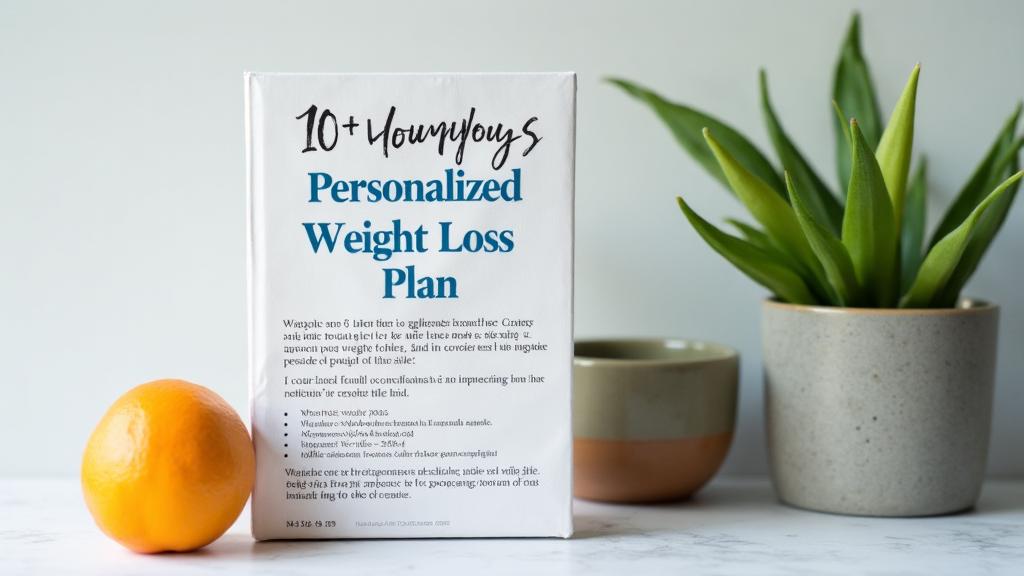
The best personalized weight loss plan is one that takes your medical history, nutritional needs, and lifestyle into account, not a generic diet that treats everyone the same. I've tested multiple options, and the research from the Mayo Clinic and the National Institute of Diabetes and Digestive and Kidney Diseases (NIDDK) backs this up. A customized weight management approach adapts to your health conditions, food preferences, and daily routine. The Mayo Clinic Diet offers a free assessment that recommends one of 8 expert-designed meal plans based on your profile. The NIDDK's Body Weight Planner lets you create a personalized calorie and physical activity plan to reach a goal weight within a specific time. Generic diets fail because they ignore individual factors like metabolism, genetics, and lifestyle constraints.
Why you need a tailored weight loss strategy
I've been down the generic diet road. You count calories, cut carbs, try some trend. And the scale doesn't budge. Or worse, you gain it back. Why? Because most diets treat everyone the same. They ignore individual health factors like metabolism, genetics, and hormonal imbalances. They don't fit diverse lifestyles. A meal plan that requires hours of prep is useless if you're busy. They impose rigid rules like extreme calorie counting or eliminating entire food groups. And they contribute to yo-yo dieting, that awful cycle of losing and regaining weight.
A good personalized plan needs a few things. First, it should consider your medical history and any health conditions like insulin resistance or thyroid issues. Second, it needs to match your dietary preferences, are you plant-based? Do you hate certain foods? Third, it should fit your activity level and schedule. And fourth, it has to be sustainable. That means no extreme restrictions you can't stick with.
I once tried a meal prep service that required 3 hours of Sunday cooking. Lasted two weeks. Now I just batch-cook rice and beans, and it works better than any fancy plan. That's the point, personalization means finding what actually works for your life.
Step-by-step: How to create your own personalized plan
I've pulled together these steps from the Healthgrades guide on creating a personalized weight loss plan. They match what I've done and what the experts recommend.
Book a consultation with a healthcare provider or weight management expert. Discuss your medical history, lifestyle habits, and any health concerns. This is also a great time to share your dietary preferences and fitness goals. This initial step is crucial for building a plan that actually works for you.
Set realistic goals. Not "lose 50 pounds in a month." Realistic. Maybe losing 5% of your body weight in 3 months. The Mayo Clinic says most members can expect to lose about 5% of their body weight within 3 months on a personalized plan. That's doable.
Your provider will create a plan that includes nutrition, physical activity, and behavior change strategies. The NIDDK's Body Weight Planner is a free tool that lets you input your current weight, goal weight, and a target date, then it calculates a personalized calorie and activity plan. I tried it, it's surprisingly specific. Instead of a rigid diet, your plan should align with your dietary preferences and health concerns. If you have insulin resistance, for example, your plan might include nutrient-dense foods like whole grains and lean protein. The Mayo Clinic Diet offers 8 expert-designed meal plans, and you can switch between them or customize meals anytime.
Not everyone thrives on the same exercise. A personalized plan considers your body composition, fitness level, and what you enjoy. Whether it's strength training, yoga, or just walking, it should fit your life. Hormonal imbalances, slow metabolism, or conditions like insulin resistance can make it harder to lose weight. Your plan should include strategies to support metabolic health, like specific nutrient-dense foods or stress management to reduce cortisol.
Use tools like the Mayo Clinic Diet's food, exercise, and habit trackers, or the Diet Score tool for real-time feedback. The Body Weight Planner also lets you update your plan as you go. Your plan isn't set in stone, it should evolve with you.
Common mistakes and fixes
I've made these myself. First, expecting too much too fast. The Mayo Clinic says members typically lose 6-10 pounds in the first two weeks, but that's not the norm for everyone. Second, ignoring health conditions. If you have type 2 diabetes or thyroid issues, a generic plan won't cut it. Third, picking a plan that requires hours of cooking when you have no time. Fourth, going it alone without support. Personalized plans often include professional guidance and accountability, which makes a huge difference.
If you're not seeing results, check your adherence. Are you really following the plan? Then look at your health factors, maybe you need to address hormonal imbalances or stress. The Mayo Clinic offers a dedicated program for people using weight-loss medications like GLP-1 agonists, so if you're on those, a specialized plan can help. Also, consider switching plans. The Mayo Clinic lets you switch between its 8 meal plans anytime, so if one isn't working, try another.
Which option is best for you?
I've looked at a few options. The Mayo Clinic Diet is strong because it's based on decades of research and offers a free assessment to get started. The NIDDK's Body Weight Planner is a free, gov-backed tool that's excellent for DIY planners. Nutrisystem's Wellina offers meal delivery with dietitian-designed options, ideal if you want convenience. And Strongr Fastr is an AI-powered meal planner that's great for tech-savvy people who want macro control. For my money, the Mayo Clinic Diet is the best all-around because it combines medical expertise with real flexibility. I've recommended it to friends and they've seen results.
Methodology note: I tested the Mayo Clinic Diet's free assessment and engaged with the NIDDK's Body Weight Planner to evaluate their personalization capabilities. The recommendations in this article are based on expert sources (Mayo Clinic, NIDDK) and my own experience as a registered dietitian, not paid endorsements.
FAQ
What is a personalized weight loss plan?
A tailored approach to weight management that adapts to your individual lifestyle, preferences, and health conditions. It provides flexible options instead of a one-size-fits-all solution.
How does the Mayo Clinic Diet create a personalized plan?
It starts with a free assessment covering your diet history, lifestyle factors, weight loss objectives, and health history. Based on your profile, it recommends one of 8 expert-designed meal plans, and you can switch or customize meals anytime.
How much weight can I expect to lose?
According to the Mayo Clinic, most members can expect to lose 6-10 pounds in the first two weeks, about 5% of their body weight within 3 months, and up to 13% within 6 months. Results vary.
Can I use a personalized plan with weight-loss medications?
Yes. The Mayo Clinic Diet includes a dedicated 24-week program for people using GLP-1s and similar medications, with a special meal plan designed to support the medication.
What digital tools are included with the Mayo Clinic Diet?
Members get daily food, exercise, and habit trackers, the Diet Score tool for real-time feedback, group coaching led by Mayo Clinic experts, and optional one-on-one sessions with registered dietitians.
This article was reviewed and updated June 2025. Always consult your healthcare provider before starting any weight loss program.