Quick Answer
Sweet potatoes can support weight loss when eaten in appropriate portions and prepared without heavy additions of fat or sugar. Their high water and fiber content promote fullness, which may help you consume fewer calories overall. However, simply adding sweet potatoes to your diet without controlling total calorie intake may not lead to weight loss.
Main Explanation
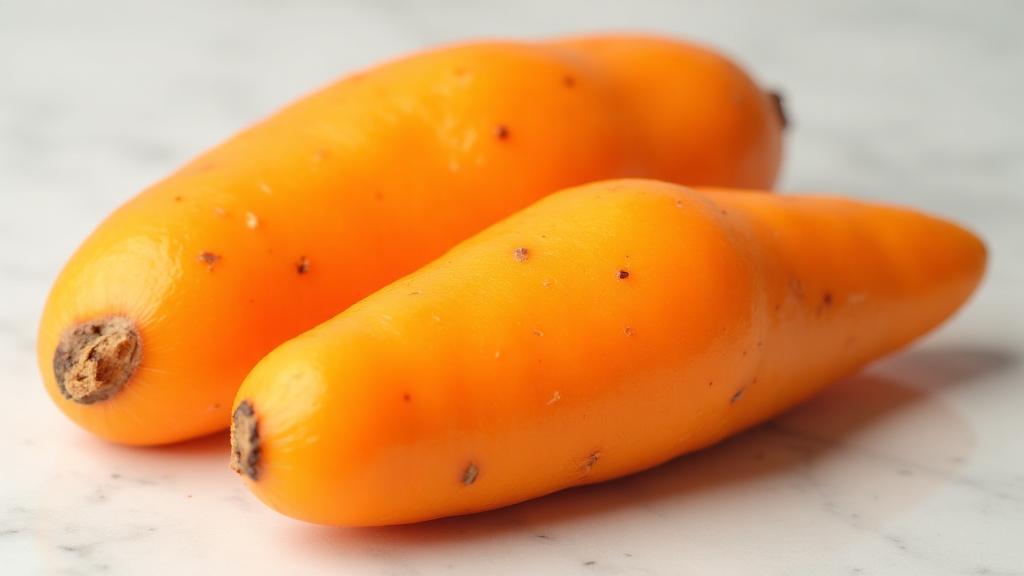
Sweet potatoes are a starchy root vegetable rich in complex carbohydrates, including fiber. A standard serving (about 150 grams) contains approximately 120 calories, 4 grams of fiber, and very little fat. The fiber and water in sweet potatoes increase satiety, meaning you feel fuller for longer after eating them. One review of 48 studies linked higher fiber intake over 12 months to sustained weight loss of at least 5% of body weight.
A specific study on white sweet potato as a meal replacement found that overweight participants who consumed 132 grams of white sweet potato daily for eight weeks lost an average of 1.9 kg (about 4.2 pounds) over 3.8 months. This suggests that sweet potatoes can be part of an effective weight management plan when they replace higher-calorie foods.
That said, the way you prepare and consume sweet potatoes matters a lot. Frying or adding butter, marshmallows, or sugary sauces adds significant calories and fat, which can reverse any weight-loss benefit.
Practical Decision Framework
Use this step-by-step framework to incorporate sweet potatoes into your weight loss plan without derailing progress:
Step 1: Choose Whole Sweet Potatoes Over Processed Versions
Select fresh, whole sweet potatoes rather than frozen fries, chips, or canned sweet potatoes in syrup. Whole sweet potatoes retain their fiber and have no added sugars or preservatives.
Step 2: Use Healthy Cooking Methods
Bake, boil, steam, or roast sweet potatoes with minimal oil. Avoid deep-frying or smothering them in heavy sauces. A plain baked sweet potato is a nutrient-dense, low-calorie option.
Step 3: Control Your Portion Size
Stick to one medium sweet potato (roughly 150 grams or the size of a computer mouse). This provides about 120 calories and 4 grams of fiber, contributing to fullness without excessive calories.
Step 4: Pair With Protein and Vegetables
Combine sweet potatoes with a lean protein source (such as grilled chicken, fish, or tofu) and non-starchy vegetables (like broccoli, spinach, or salad). This balance helps stabilize blood sugar and extends satiety.
Step 5: Monitor Total Calorie Intake
Even healthy foods can lead to weight gain if you eat too many. Track your daily calorie consumption using an app or food diary to ensure you maintain a calorie deficit consistent with your weight loss goals.
Practical Takeaways
- Sweet potatoes are a nutritious, satiating food that can support weight loss when eaten in moderation.
- The fiber and water content are key factors that promote fullness and reduce overall calorie intake.
- Avoid high-calorie toppings and cooking methods; prepare them simply.
- Portion size matters, one medium sweet potato is a good serving.
- Pair sweet potatoes with protein and vegetables for a balanced meal.
- Monitor your total daily calorie intake to ensure you stay in a deficit.