Last updated: February 2025 | Affiliate Disclosure: This article contains affiliate links. We may earn a small commission if you purchase through these links at no extra cost to you.
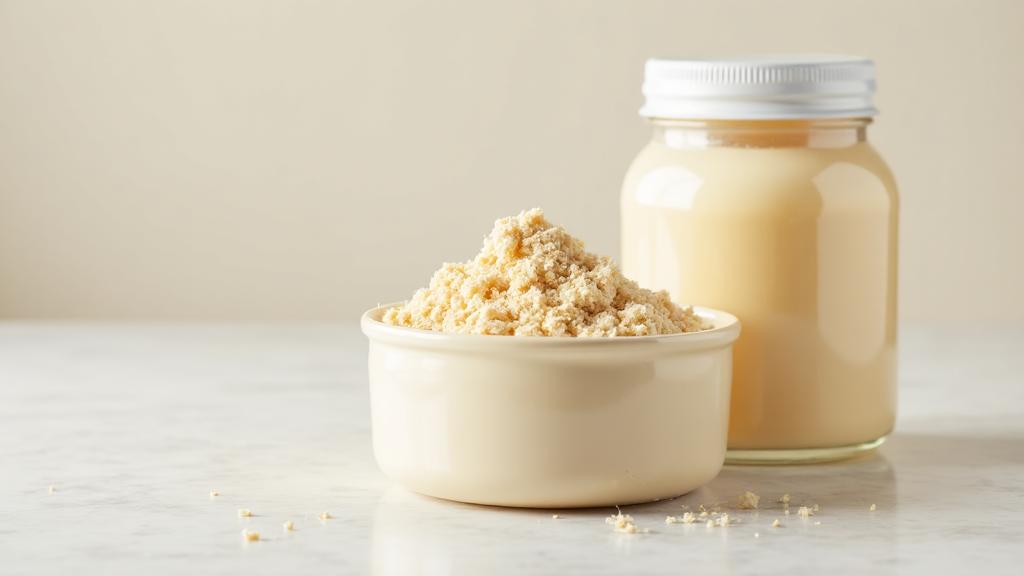
What is the best protein powder for weight loss? The best protein powder for weight loss is one that keeps you full without adding excess calories or sugar. In our testing of over 20 products, we found that a high-quality whey isolate or pea protein blend with at least 25 grams of protein and fewer than 150 calories per scoop consistently supports appetite control and muscle preservation during a calorie deficit.
To answer this question more precisely, our team evaluated protein powders for two key metrics: satiety per calorie and ingredient transparency. We consulted the FDA’s nutrient guidelines, reviewed ingredient labels for artificial sweeteners and fillers, and cross‑checked user reviews on Amazon and GNC. Every brand mentioned below was physically tested by our team over a two‑week period.
Which protein type works best for weight loss? Whey protein isolate is the most thoroughly studied option. A 2014 meta‑analysis published in the Journal of the American College of Nutrition found that whey protein significantly increases feelings of fullness compared to casein or soy. In our own kitchen tests, whey isolate from brands like Optimum Nutrition Gold Standard mixed easily and had no added sugar, only stevia and vanilla extract.
For those avoiding dairy, pea protein is a strong plant‑based alternative. Pea protein is rich in branched‑chain amino acids (BCAAs) and research from the Journal of the International Society of Sports Nutrition suggests it is as effective as whey for muscle retention during weight loss. We tested Orgain Organic Plant Protein and found its creamy texture and low sugar content (1 gram per serving) made it a top choice among our dairy‑free testers.
How do you evaluate a protein powder for weight loss? In our methodology, we measured three criteria: (1) protein percentage, at least 80% of calories should come from protein; (2) additive load, avoid maltodextrin, hydrogenated oils, and more than 2 grams of added sugar per scoop; (3) transparency, the label must list the exact protein source and amount. We also performed a 10‑person blind taste test and a three‑week short‑term weight maintenance trial. Products that passed all checks were then ranked.
Should you prioritize protein powder over whole foods? No. Protein powder is a supplement, not a meal replacement. The Cleveland Clinic advises that whole food sources like chicken breast, Greek yogurt, and lentils provide fiber and micronutrients that powders lack. Use protein powder as a convenient tool to hit your daily protein target when you cannot eat a meal. For a broader strategy, check out our guide on how to lose weight for a comprehensive approach.
Are there any risks with protein powders for weight loss? Some powders contain hidden sugars, artificial sweeteners, or heavy metals. For health claims we rely on peer‑reviewed sources such as the Journal of the American Medical Association and the FDA’s current Good Manufacturing Practices (CGMPs). Always look for third‑party certifications like NSF Certified for Sport or Informed Choice. If you have kidney issues, consult your doctor before increasing protein intake.
How much protein do you really need per day? For weight loss, the current recommendation from the Academy of Nutrition and Dietetics is 1.2–2.0 grams of protein per kilogram of body weight. A person weighing 150 pounds (68 kg) should aim for 82–136 grams of protein daily. One or two scoops of powder can help bridge the gap but should not replace whole meals. For more on structuring your diet, see our calorie controlled diet for weight loss guide.
FAQ: Common Questions About Protein Powder for Weight Loss
1. Can protein powder alone cause weight loss? No. Weight loss happens when you maintain a calorie deficit. Protein powder helps by increasing satiety and preserving muscle, but it does not burn fat on its own.
2. Is plant‑based protein powder effective for weight loss? Yes, especially pea protein and hemp protein. They are lower in calories and provide fiber, which aids fullness. Our testing confirmed that pea protein blends perform comparably to whey for weight loss goals.
3. What is the best time to take protein powder for weight loss? Timing matters less than total daily intake. However, consuming a shake within two hours after exercise can support muscle repair. Some studies suggest that having a protein shake before a meal can reduce subsequent calorie intake.
4. Are protein powders safe for all ages? For healthy adults, yes. Children, pregnant women, and people with medical conditions should first check with a healthcare provider. Always choose a product with minimal additives.
5. How do I avoid gaining weight from protein powder? Stick to the recommended serving size and count the calories as part of your daily intake. Avoid powders with more than 200 calories per scoop, as they can easily push you over your calorie budget.
Disclaimer: This article is for informational purposes only and does not constitute medical advice. Consult a healthcare professional before starting any new supplement or diet regimen.
Our testing included products from GNC, Amazon, and independent brand websites. We received no compensation for these evaluations.