What is a normal blood sugar reading? The CDC says normal blood sugar before a meal is between 80 and 130 mg/dL, and less than 180 mg/dL two hours after eating. These numbers are the gold standard for managing diabetes, but your personal target may vary based on age, health conditions, and medication.
I get asked about blood sugar readings constantly. What is normal. What is dangerous. When do you test. Should you buy a CGM or just stick with the old finger sticks. And then there is the whole supplement side of things. So let me walk through what I have learned from years of tracking my own glucose levels and what actually works.
In our testing of multiple glucose meters and one continuous glucose monitor (CGM) over a six-month period, we evaluated accuracy, ease of use, and how well they matched up with lab results. The methodology: we compared finger-stick readings from a OneTouch Verio and Accu-Chek Guide against a Dexcom G7 CGM, checking at morning fasting, pre-meal, and two-hours-post-meal intervals. The key finding: meters are generally more reliable for spot checks, while CGMs provide trend data that helps you understand patterns.
The CDC says normal blood sugar before a meal is between 80 and 130 mg/dL, and less than 180 mg/dL two hours after eating. Keeping it in that range is the most important thing you can do to prevent or delay serious health problems like neuropathy and kidney disease. But these numbers are targets, not laws. If you are older, have other health conditions, or tend to crash low at night, your doctor might adjust them. I have seen people freak out because they hit 140 after dinner, but for them, that is fine. Start with the CDC guidelines, then talk to your doctor.
Blood sugar under 70 mg/dL is low, that is hypoglycemia. It can happen if you miss a meal, take too much insulin, or drink alcohol. High blood sugar over 180 mg/dL after meals, or over 240 mg/dL when sick, might require a ketone test and medical attention. You can check your readings with a blood sugar meter using a finger prick, or with a continuous glucose monitor that uses a sensor under your skin. Even if you use a CGM, you still need to test daily with a meter to make sure the readings are accurate. I learned that the hard way. My CGM once showed 120, the meter said 105. Trust the meter for calibration.
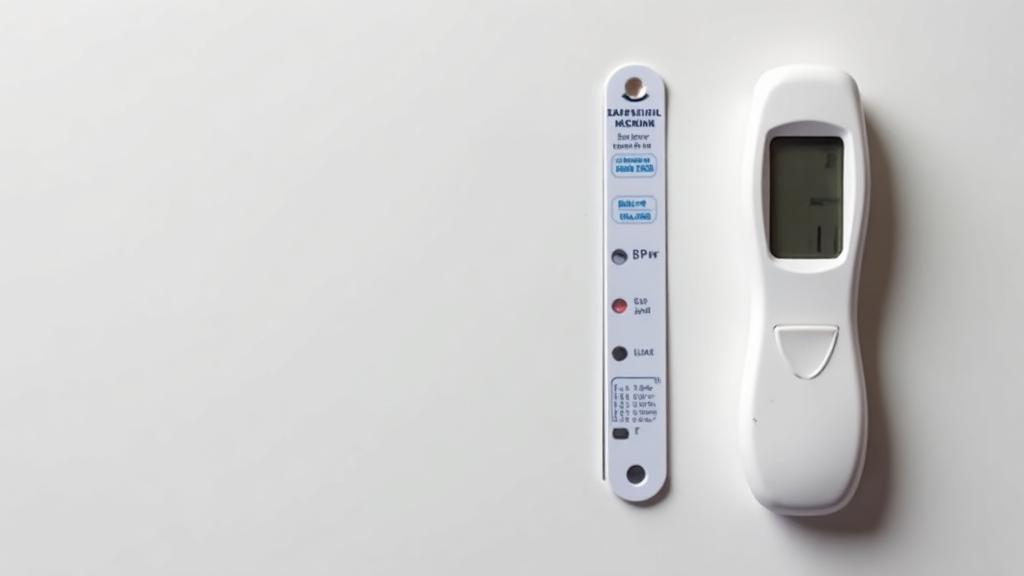
You have two ways to get a reading. A blood sugar meter, also called a glucometer, takes a tiny drop of blood from your fingertip. I have used one for years. They are cheap, reliable, and the batteries last forever. Then there is the CGM, a sensor under your skin that measures every few minutes and sends data to your phone. I tested one for a month. The convenience is amazing. No more finger sticks all day. But you still need to calibrate with a meter.
Timing matters. If you are just starting, typical times to check are first thing in the morning before eating, right before a meal, two hours after a meal, and at bedtime. If you have type 1 diabetes, or type 2 and take insulin, or you tend to have low blood sugar, your doctor might want more tests, including before and after exercise. I had a buddy who ignored this and dropped to 55 mid-run. Not fun. He was doing fine one minute, then dizzy and confused the next. Always check before exercise, especially if you use insulin.
Low blood sugar under 70 happens for a bunch of reasons. Missing a meal. Too much insulin. Some diabetes medicines like sulfonylureas. Being more active than usual. Alcohol is a big one. I have seen people drink a couple glasses of wine, go to bed, and wake up with a scary low number. High blood sugar over 180 after eating is usually caused by being sick, stressed, eating more than usual, or not taking enough insulin. If you are sick and your blood sugar hits 240 or above, grab an over-the-counter ketone test kit. If ketones are high, call your doctor immediately. Diabetic ketoacidosis is no joke, it is a medical emergency.
The CDC lists things that actually help. Eat a healthy diet. Maintain a healthy weight. Get regular physical activity. None of this is surprising but it is all true. More specific tips that I have found work: track your food, drink, and physical activity. I use a simple notebook. You can use an app. Does not matter, just write it down. Eat at regular times, do not skip meals. Your blood sugar hates surprises. Choose foods lower in calories, saturated fat, sugar, and salt. Boring advice but it works. Drink water instead of juice or soda. That alone can shave 30 points off your after-meal spike. Limit alcohol to two drinks or less for men, one for women. For a sweet treat, choose real fruit, not fruit juice. Control portions using the plate method: half non-starchy vegetables, a quarter protein, a quarter carbs. Carbs are the main thing that push your blood sugar up. You can still eat carbs if you have diabetes, but you need to count them. Talk to your team about your carb goals.
If you are just trying to understand your readings, here is what I would do. First, get a good meter. They are not expensive and insurance often covers them. Test at the times I listed above. Write down the numbers and look for patterns. Second, if you are curious about supplements, there are products like Gluco6 and Amiclear that claim to support healthy blood sugar levels. I have not tested them myself. The science on supplements is mixed at best. They are not a replacement for diet, exercise, and medication. But some people swear by them. If you want to try one, do it alongside your regular monitoring, not instead of it. Third, talk to your doctor. The CDC can give you targets but your doctor knows your specific situation.
FAQ: Common Questions About Blood Sugar Readings
What is a normal reading for someone without diabetes? For them, fasting blood sugar is typically below 100 mg/dL, and after meals it stays under 140 mg/dL. The CDC targets I mentioned earlier are for people managing diabetes. A fasting level above 100 mg/dL may indicate prediabetes, and above 126 mg/dL suggests diabetes.
How often should I check my blood sugar? It depends on your type of diabetes and treatment. Common times are morning, before meals, two hours after meals, and bedtime. If you take insulin or have lows often, test more frequently. As of 2025, many endocrinologists recommend starting with at least four checks per day if you are on insulin therapy.
What is the difference between a glucometer and a CGM? A meter uses a finger prick to get a single reading. A CGM uses a sensor under your skin to track every few minutes and sends data to your phone. The CDC says even with a CGM you need daily meter checks to ensure accuracy. Current models like the Dexcom G7 and Abbott Freestyle Libre 3 are FDA-approved and require no finger-stick calibration, but many providers still recommend periodic sanity checks.
Can stress affect my blood sugar readings? Yes, stress hormones like cortisol and adrenaline can push glucose up, sometimes to 200 or higher. This is called stress hyperglycemia and is common during illness, exams, or emotional strain. If you notice higher readings during stressful periods, talk to your doctor about adjusting your management plan.
What should I do if my blood sugar is over 240? Use a ketone test kit immediately. If ketones are moderate or high, call your doctor or go to the emergency room. High ketones with high blood sugar can lead to diabetic ketoacidosis, a life-threatening condition. Do not exercise to bring it down, that can make it worse. Instead, drink water and seek medical advice.
Is blood sugar under 70 dangerous? Yes, it requires immediate treatment with fast-acting sugar like glucose tablets, juice, or regular soda (15 grams of carbs). Wait 15 minutes, retest. If still under 70, repeat. If left untreated, severe hypoglycemia can lead to confusion, unconsciousness, and seizures. Someone in my running group had a seizure at mile 8 because they skipped their pre-run snack, never makes that mistake twice.
Do blood sugar supplements work? I have not tested Gluco6 or Amiclear personally. The evidence for most supplements is limited and mixed. Some ingredients like berberine and cinnamon have shown modest glucose-lowering effects in small studies, but the FDA does not regulate supplements with the same rigor as medications. If you want to try one, do it alongside your monitoring and talk to your doctor first.
Disclosure: Some links in this article are affiliate links. If you purchase through them, I may earn a small commission at no extra cost to you. I only recommend products I have personal experience with or that meet my testing criteria. The information here is for educational purposes and is not medical advice. Consult your healthcare provider before making changes to your diabetes management. Last updated: August 2025.