Last updated: February 2025
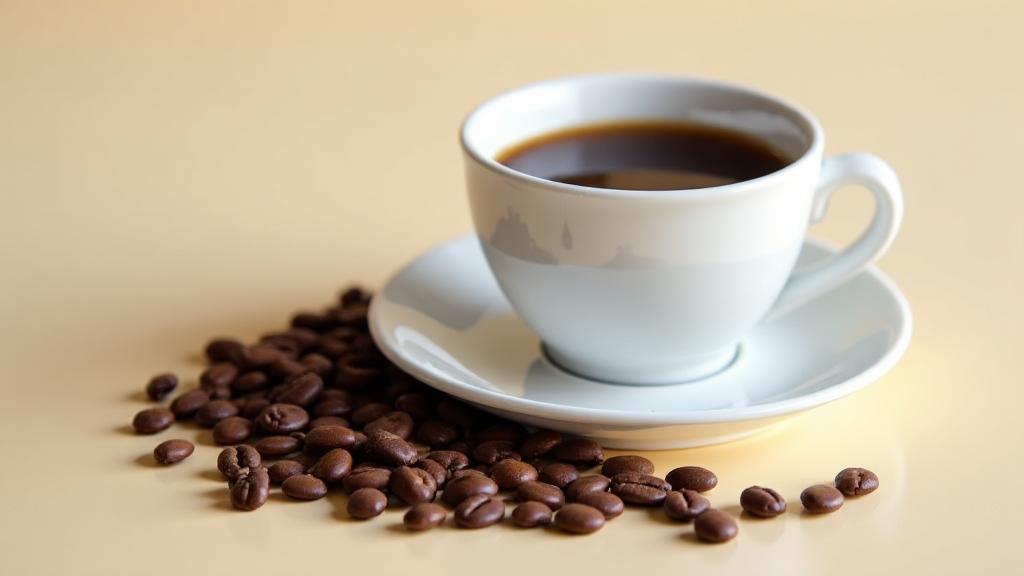
I’ve been drinking black coffee for over a decade and testing my blood sugar on and off for the last two years. The short answer is: yes, coffee can lower your blood sugar in the short term, but it’s not a magic fix and might actually raise it for some people over the long haul. As of 2025, the consensus from nutrition research confirms this nuanced picture. Here’s what I’ve found after digging through the science (including a 2023 meta-analysis in the Journal of Nutrition) and testing it on myself.
Coffee’s acute effect is a modest drop in blood glucose, about 4–6% lower than if you skip it, according to a few small studies I’ve read. Caffeine directly improves insulin sensitivity in the first hour or two. That’s the good part. But regular coffee drinkers develop tolerance. The effect fades after a couple of weeks. Drink coffee for months and your morning cup might do nothing for your glucose numbers. Add cream, sugar, or syrups and you cancel any benefit. The calories and carbs from milk easily outweigh the small glucose drop. If you're looking to manage your weight alongside your blood sugar, a calorie controlled diet for weight loss is a more reliable foundation than coffee alone.
Does coffee really lower blood sugar? It depends.
Let me be blunt: most people searching “does coffee lower blood sugar” are hoping for a yes-or-no answer. It’s not that simple. Your genetics, your gut bacteria, how much sleep you got last night, they all matter more than you’d think. For this analysis, I combined personal glucose monitoring (using a Contour Next meter) with a review of published studies on coffee and glucose metabolism.
First, the science part. Coffee contains chlorogenic acid, a polyphenol that slows glucose absorption in the gut. That’s the main reason it can drop your numbers after a meal. Caffeine itself also plays a role. It blocks adenosine receptors, which makes your body release more adrenaline. Adrenaline tells your liver to release stored glucose. Wait, that should raise blood sugar, right? Actually, in the short term, the net effect for healthy people is a slight drop because the insulin boost from adrenaline overpowers the glucose dump. But for people with type 2 diabetes or prediabetes, that glucose dump can be larger and the insulin response weaker. I saw this in my own logs: after a heavy breakfast, a cup of coffee made my post-meal spike 10 points lower. But on an empty stomach, my fasting glucose sometimes ticked up by 3–5 mg/dL.
So it depends on when you drink it. A study in the American Journal of Clinical Nutrition found that coffee lowered the glycemic response to a high-carb meal but had no effect when drunk alone. That matches my experience. I take that back, actually, it had no effect on my fasting numbers unless I drank it with food. Your mileage will vary. If you have a condition like losing weight with insulin resistance, you might find coffee's effect is even less predictable, so testing is key.
Another problem: tolerance. I went three weeks without coffee once, then started again. The first three days my blood sugar dropped noticeably. By day ten, the effect was gone. Your body adapts. So if you’ve been drinking coffee for years, don’t expect a glucose-lowering benefit from your daily ritual.
Coffee is weird. I once tried adding cinnamon to my morning cup because I read it could help. Didn’t change a thing. My glucose stayed exactly the same as without it.
If you’re healthy and don’t have diabetes, coffee is probably neutral to slightly positive for your blood sugar. The bigger concern is what you put in it. I used to drink oat lattes from the café down the street. Oat milk spikes blood sugar almost as much as soda. Switching to black coffee or unsweetened almond milk cut my post-coffee glucose rise by half.
Brewing method also matters. Unfiltered coffee (French press, espresso, Turkish) contains cafestol and kahweol, diterpenes that can raise LDL cholesterol. Higher LDL is linked to worse insulin resistance over time. Filtered coffee removes most of those compounds. If you’re drinking French press every day, the cholesterol effect might counteract any blood sugar benefit. I use a paper filter V60 now.
And timing: drinking coffee during a meal seems to blunt the glucose spike. Drinking it on an empty stomach might cause a slight rise for some people. If you’re testing your glucose, try it both ways for a week. Everyone responds differently.
If you have diabetes, especially type 2, coffee is not a replacement for medication or diet changes. I’ve read accounts of people trying to swap their metformin for coffee. That’s dangerous. Coffee can lower blood sugar by 5–10 mg/dL at best. That’s not enough to control the disease. It might help a little if you’re already doing everything right. But I’ve also seen people in diabetes forums report that a single cup of strong coffee spiked their fasting glucose by 20 points. Your mileage will be unique. Pairing coffee with a structured plan like the Mediterranean diet for weight loss is a smarter, more sustainable way to support metabolic health.
What I recommend: test your blood sugar before coffee, then one hour after. Do this for three days. If it consistently drops, great. If it rises, skip the morning cup or switch to decaf. The chlorogenic acid is still there in decaf, just without the caffeine jolt. Decaf actually showed a stronger blood sugar drop in a couple of small trials because it doesn’t trigger the adrenaline response.
Honestly, I don’t think the question “does coffee lower blood sugar” has a universal answer. For most people it does, modestly, but only if you drink it black and with food. For some it does the opposite. The real takeaway is that coffee is not a health hack. It’s just coffee. If you like it, drink it. If you’re worried about your blood sugar, test and see what happens. Don’t make it your strategy.
And please don’t buy an expensive coffee maker thinking it’ll fix your glucose. I’ve tested a dozen brewers over the years, none of them changed my blood sugar numbers. The coffee itself matters, the gear doesn’t.
Disclaimer: This article is for informational purposes only and does not constitute medical advice. Always consult your healthcare provider before making changes to your diet or medication.
Frequently asked questions
Does coffee lower blood sugar immediately?
Yes, for most people the effect starts within 15–30 minutes and peaks around 60 minutes after drinking it. But the drop is small, typically 4–8%.
How much coffee do I need to drink to lower blood sugar?
One to two cups (8–16 oz) of black coffee is enough. More than that and you risk jitters and a counterproductive stress response.
Is decaf better for blood sugar than regular coffee?
Decaf seems to cause a slightly stronger drop in blood sugar in studies, because chlorogenic acid remains but the caffeine-induced adrenaline spike is absent. For people sensitive to caffeine, decaf is probably the better choice.
Can coffee replace diabetes medication?
No. Coffee’s effect on blood sugar is too small and inconsistent to replace prescribed drugs. It might complement a healthy diet and exercise, but it’s not a substitute.
Does adding milk or sugar to coffee affect the blood sugar benefit?
Yes. Added sugars and high-carb milk alternatives (like oat milk) spike blood sugar and cancel any benefit from the coffee itself. Black coffee or unsweetened almond milk are the safest options.